Precision redefined.
Clinical-grade permanent hair removal
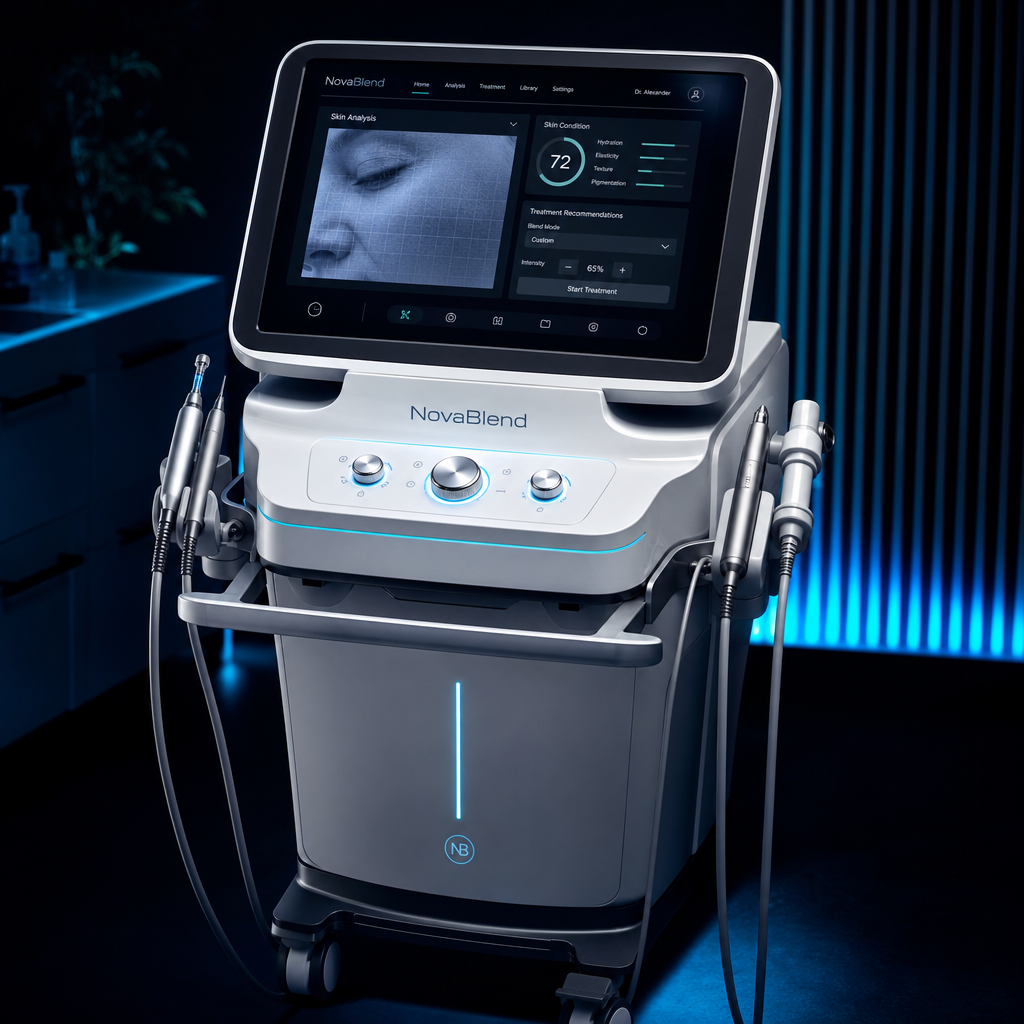
VELVALIZE fuses real-time bio-impedance spectroscopy, fluorescence-guided follicle detection, adaptive RF waveform modulation with a flexible pliers — delivering the most precise, permanent hair removal system ever engineered.
The Science Behind VELVALIZE
Mission
Engineer the next generation of permanent hair removal by integrating adaptive electrolysis modalities (galvanic, thermolysis, blend) with multi-sensor closed-loop feedback — bio-impedance spectroscopy, fluorescence follicle-phase detection, spectrophotometric skin typing and MEMS thermal sensing — all orchestrated by on-device neural-network inference for real-time, per-follicle parameter optimization.
Vision
Establish VELVALIZE as the global reference standard in personalized, evidence-based permanent hair removal — advancing aesthetic dermatology and trichological science through reproducible, data-driven clinical outcomes with full regulatory traceability and predictive treatment analytics.
Clinical Advantages
Closed-loop adaptive RF modulation calibrated per follicle via real-time impedance, thermal and fluorescence sensing — targeting 20–30% reduction in treatment time with higher first-pass efficacy
Full DQRM-grade clinical traceability with automated session logging, parameter versioning, spectrophotometric skin-type records and audit-ready compliance documentation
Integrated micro-cryotherapy with GSR-driven pain modulation achieving 30–50% reduction in patient-reported VAS discomfort scores through TRPM8 cold-receptor pathway activation
Engineering Performance Targets
Products & Solutions
A fully integrated ecosystem engineered from the ground up for evidence-based, sensor-rich, precision permanent hair removal
NovaBlend Console
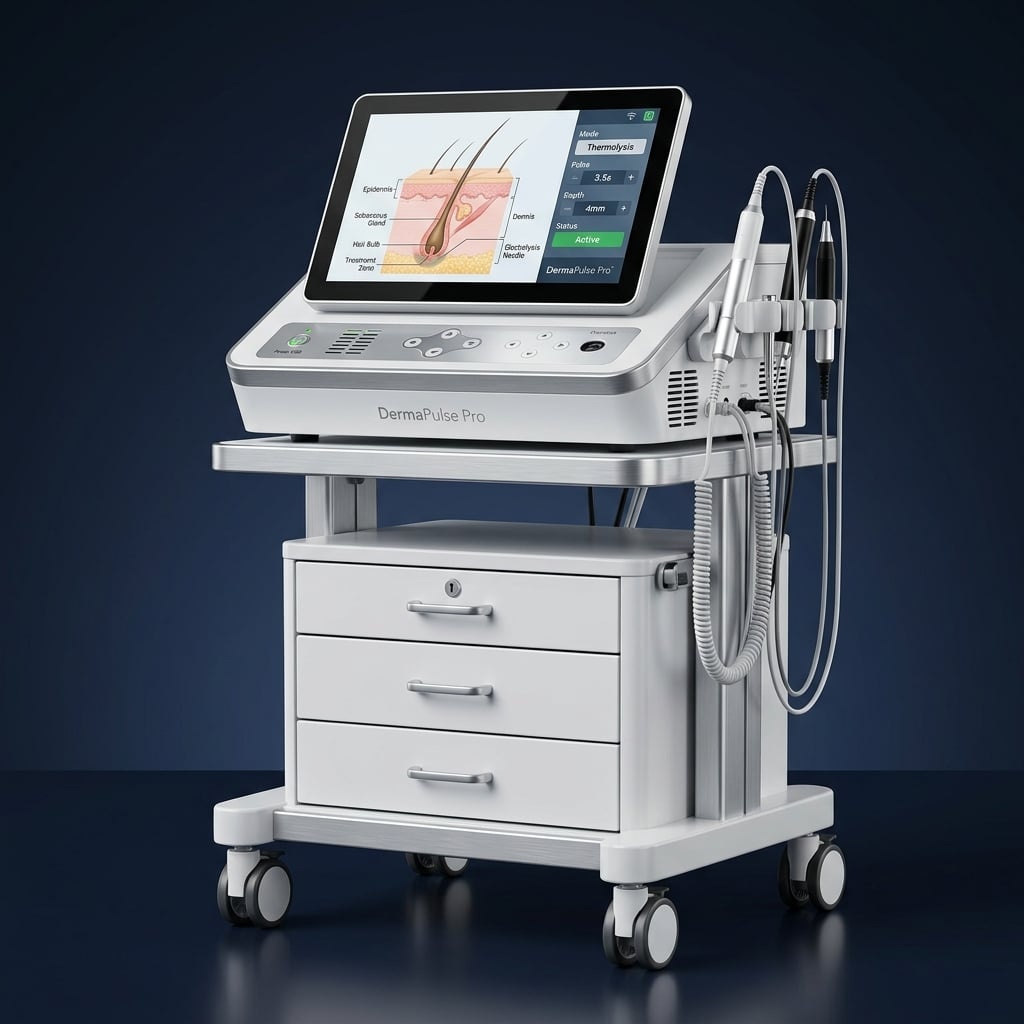
Multi-modality electrolysis console (galvanic DC / thermolysis HF / blend) with embedded bio-impedance spectroscopy, MEMS thermal array, fluorescence follicle-phase detection and spectrophotometric Fitzpatrick auto-typing — for real-time per-follicle waveform optimization.
MicroProbe Flex
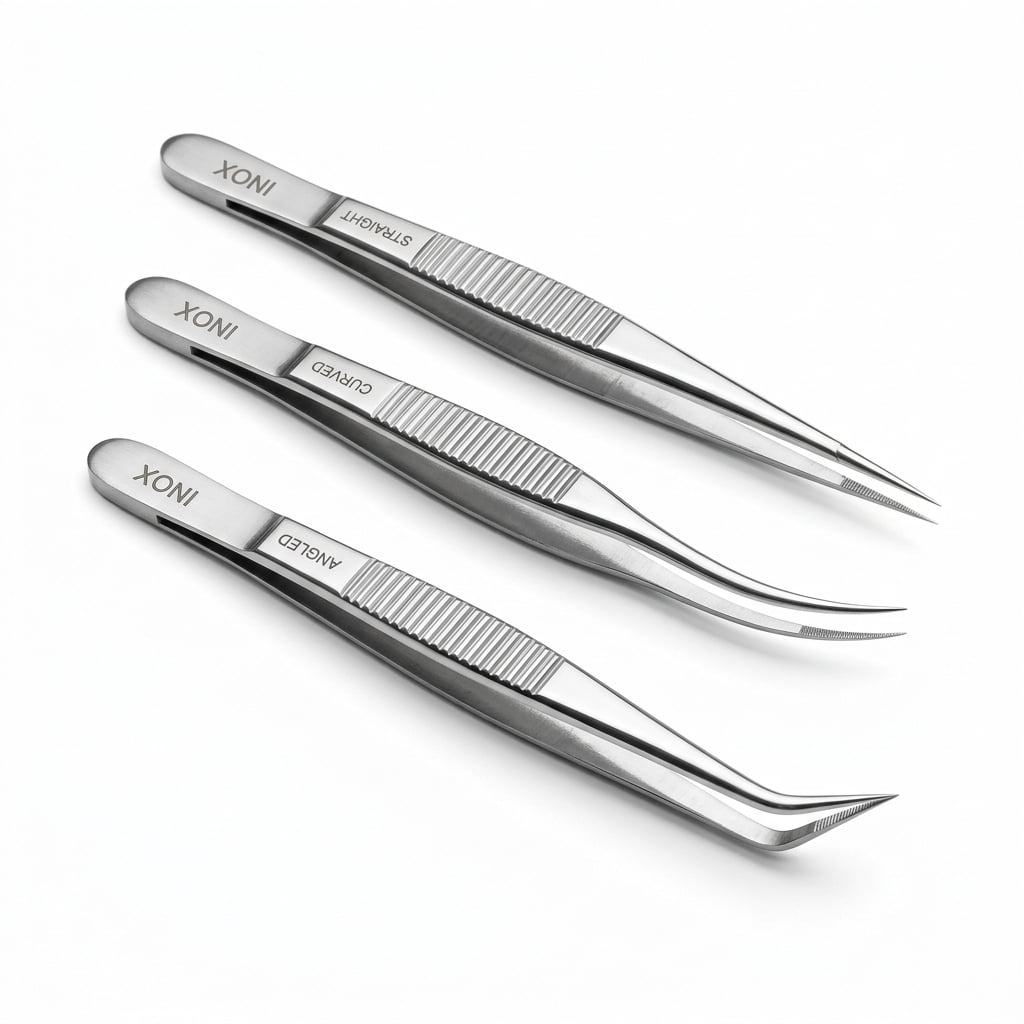
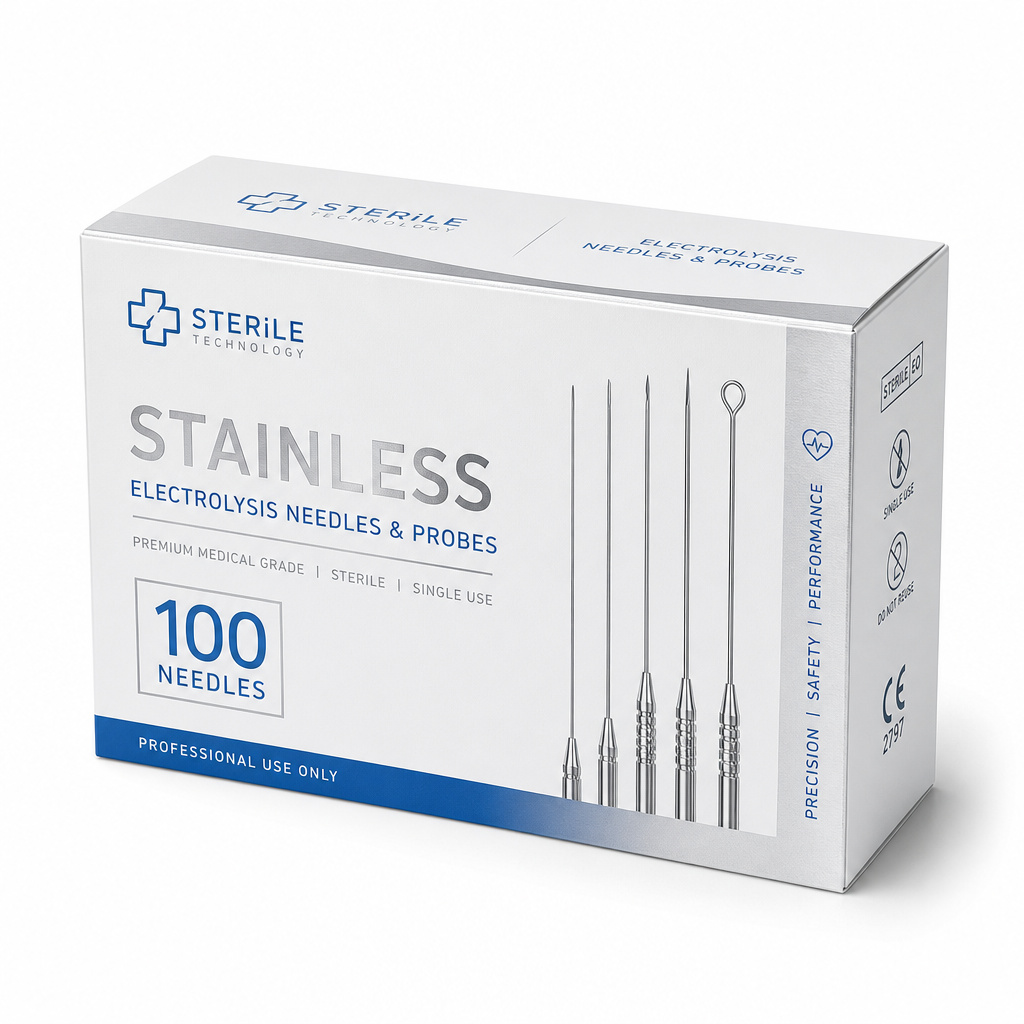
Single-use sterile filament probes with integrated MEMS thermistors, micro-impedance electrodes and passive UHF RFID for batch-level traceability. Engineered for simultaneous sub-dermal impedance measurement and precise energy delivery at the follicular target zone.
CryoPulse Comfort
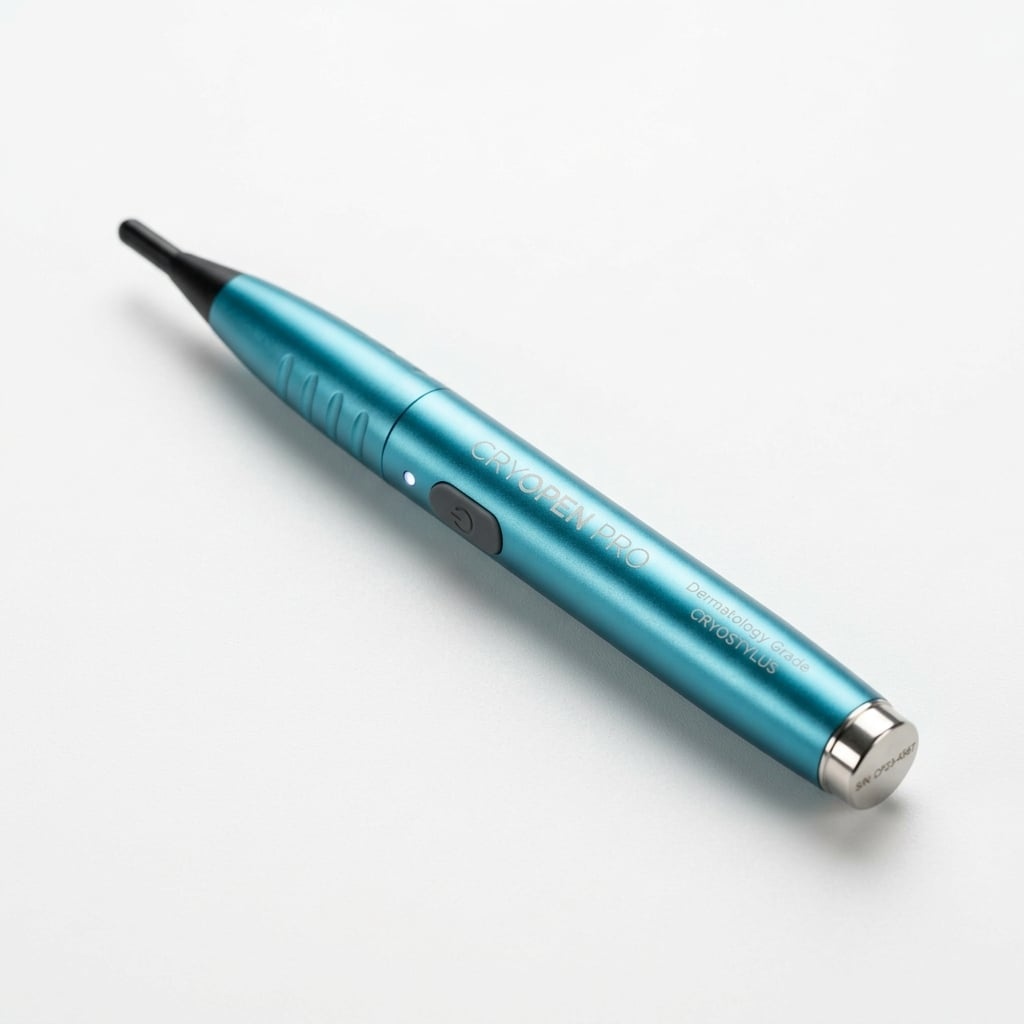
Closed-loop micro-cryotherapy module with PID-controlled Peltier cooling (8–12°C contact) synchronized to electrolysis waveform timing, combined with galvanic skin response (GSR) monitoring for real-time patient comfort assessment and adaptive cooling intensity.
DermSense Mapping
Non-invasive pre-treatment imaging system combining multi-frequency bio-impedance spectroscopy, near-infrared optical coherence (850 nm) and UV fluorescence (405 nm) for sub-millimeter follicular depth estimation, hair-cycle phase detection and automated treatment planning.
How VELVALIZE Compares
See how our precision electrolysis platform stacks up against conventional hair removal technologies
| Feature | VELVALIZEPrecision Electrolysis Our Platform | TraditionalElectrolysis | LaserHair Removal | IPLIntense Pulsed Light |
|---|---|---|---|---|
| All Skin Types (I–VI) | ||||
| All Hair Colors | ||||
| Permanent Hair Removal | Reduction only | Temporary | ||
| Real-Time Bio-Impedance Sensing | ||||
| Adaptive Parameter Optimization | ||||
| Follicle Phase Detection | Fluorescence-guided | |||
| Integrated Pain Modulation | GSR + Cryo | Contact cooling | Gel-based | |
| Per-Follicle Precision | Manual | |||
| Treatment Traceability (RFID) | ||||
| Predictive Treatment Planning | ||||
| Spectrophotometric Skin Typing | Automated | Visual | Visual | Visual |
| Typical Sessions to Clearance | 8–12 | 15–30 | 6–10 | 8–12+ |
All Skin Types (I–VI)
All Hair Colors
Permanent Hair Removal
Real-Time Bio-Impedance Sensing
Adaptive Parameter Optimization
Follicle Phase Detection
Integrated Pain Modulation
Per-Follicle Precision
Treatment Traceability (RFID)
Predictive Treatment Planning
Spectrophotometric Skin Typing
Typical Sessions to Clearance
The VELVALIZE Advantage
VELVALIZE is the only platform that combines the proven permanence of electrolysis with real-time adaptive optimization, multi-sensor tissue feedback, and integrated comfort management — delivering faster treatments, higher first-pass efficacy, and a superior patient experience across all skin types and hair colors.
Science & Innovation
Proprietary technologies bridging biomedical engineering, photonics, machine learning and clinical dermatology
Adaptive Engine
Edge-deployed pipeline for real-time electrolysis parameter optimization at the follicle level
Bio-Impedance Spectroscopy
Multi-frequency impedance analysis (1 kHz–1 MHz) for real-time tissue characterization and closed-loop energy modulation
Swept-frequency excitation measures complex impedance |Z|, phase angle θ and Cole-Cole parameters (R₀, R∞, α, τ) to differentiate epidermis, dermis, sebaceous glands and follicular structures in real time
Closed-loop impedance tracking during energy delivery enables adaptive current modulation — automatically reducing power when tissue impedance indicates proximity to non-target structures, minimizing collateral thermal damage
Pre-treatment impedance mapping correlates with stratum corneum hydration, sebaceous density and melanin concentration — feeding the spectrophotometric Fitzpatrick auto-typing algorithm for personalized protocol selection
Precision Thermal Management
Dual-sensor topology with closed-loop PID control for dermal temperature regulation and patient safety
MicroProbe-embedded MEMS thermistor (±0.1°C NTC) monitors tip-zone temperature in real time, while CryoPulse surface thermopile tracks epidermal contact temperature — dual-sensor topology enables independent dermal and epidermal thermal assessment
PID-controlled Peltier element maintains 8–12°C contact zone during energy delivery — targeting the thermodynamic boundary between effective follicular coagulation (>65°C at target) and patient comfort (<42°C at epidermis)
Thermal safety interlock: automatic power cutoff if tissue temperature exceeds programmable threshold (default 47°C) — hardware-level watchdog prevents thermal necrosis independent of software state
Fluorescence-Guided Detection
UV-excited autofluorescence imaging for non-invasive hair-cycle phase identification before treatment
Narrowband 405 nm LED excitation induces tryptophan and porphyrin autofluorescence in the follicular matrix — emission spectra (420–600 nm) differ measurably between anagen (active growth), catagen (regression) and telogen (resting) phases
On-device spectral classifier (trained on 12K+ labeled follicle spectra) identifies anagen-phase follicles with >90% sensitivity — enabling practitioners to prioritize treatment on follicles most susceptible to permanent destruction
Pre-treatment fluorescence scan generates a color-coded follicle-phase map overlaid on the treatment zone — integrated with DermSense depth data for a complete 3D treatment planning view
GSR Comfort Monitoring
Real-time galvanic skin response tracking for objective, continuous patient comfort assessment
Micro-electrode pair (Ag/AgCl, 8 mm diameter) integrated into the CryoPulse handpiece measures skin conductance (µS) at 100 Hz — electrodermal activity (EDA) serves as a validated psychophysiological proxy for sympathetic nervous system arousal and perceived pain
Tonic SCL (skin conductance level) baseline is established during the first 30 seconds of each session; phasic SCR (skin conductance response) peaks during energy delivery are compared against the baseline to compute a real-time comfort index
Adaptive feedback loop: when the comfort index drops below a configurable threshold, the system automatically increases CryoPulse cooling intensity and/or reduces electrolysis energy amplitude — maintaining patient comfort without practitioner intervention
Spectrophotometric Skin Typing
Automated Fitzpatrick classification via broadband reflectance spectroscopy for protocol personalization
Broadband white-LED reflectance probe (400–700 nm) measures diffuse spectral reflectance R(λ) of the treatment area — melanin index (MI) and erythema index (EI) are computed from characteristic absorption bands at 575 nm and 660 nm
Machine-learning classifier maps (MI, EI, L*a*b* colorimetry) to Fitzpatrick skin types I–VI with 96% agreement vs. expert dermatologist classification — eliminating subjective visual assessment bias
Skin-type data feeds directly into the NovaBlend parameter engine: darker skin types (IV–VI) receive lower peak current and longer pulse duration to minimize epidermal risk while maintaining follicular efficacy
Scientific Foundations
Peer-reviewed research and clinical literature underpinning VELVALIZE core technologies
Electrolysis & Hair Removal Science
A comparative study of electrolysis modalities: galvanic, thermolysis, and blend for permanent hair removal
Bono, F., Arias, M. (2006). Journal of Dermatological Treatment, 17(4), pp. 205–213.
Relevance: Foundational comparative analysis of the three electrolysis modalities (galvanic DC, thermolysis HF, blend) used in the NovaBlend Console tri-modality architecture.
Electrolysis: observations from 13 years and 140,000 hours of experience
Richards, R.N., Meharg, G.E. (1995). Journal of the American Academy of Dermatology, 33(4), pp. 662–666.
Relevance: Landmark longitudinal study establishing efficacy benchmarks for electrolysis that inform VELVALIZE performance targets (≤ 5% regrowth at 12 months).
Physical means of treating unwanted hair
Wanitphakdeedecha, R., Alster, T.S. (2008). Dermatologic Therapy, 21(5), pp. 392–401.
Relevance: Comprehensive review of physical hair removal methods supporting the clinical rationale for precision-optimized electrolysis over conventional approaches.
Bio-Impedance & Tissue Characterization
Bioimpedance and Bioelectricity Basics
Grimnes, S., Martinsen, Ø.G. (2008). Academic Press (Elsevier).
Relevance: Definitive textbook on bio-impedance theory including Cole-Cole modeling (R₀, R∞, α, τ) and multi-frequency spectroscopy principles used in the NovaBlend impedance engine.
Interface phenomena and dielectric properties of biological tissue
Martinsen, Ø.G., Grimnes, S., Schwan, H.P. (1999). Encyclopedia of Surface and Colloid Science, 20, pp. 2643–2652.
Relevance: Foundational work on electrode-tissue interface impedance that guides MicroProbe Flex dual micro-electrode design for localized sub-dermal measurement.
Electrical properties of the epidermal stratum corneum
Yamamoto, T., Yamamoto, Y. (1976). Medical & Biological Engineering, 14(2), pp. 151–158.
Relevance: Seminal characterization of stratum corneum impedance properties — the basis for VELVALIZE pre-treatment impedance mapping correlated with skin hydration and melanin concentration.
Fluorescence Imaging in Dermatology
Fluorescence excitation spectroscopy provides information about human skin in vivo
Gillies, R., Zonios, G., Anderson, R.R., Kollias, N. (2000). Journal of Investigative Dermatology, 115(4), pp. 704–707.
Relevance: Demonstrates the feasibility of in vivo UV-excited autofluorescence spectroscopy for skin characterization — the principle behind DermSense fluorescence-guided follicle-phase detection.
Endogenous skin fluorescence includes bands that may serve as quantitative markers of aging and photoaging
Kollias, N., Gillies, R., Moran, M., Kochevar, I.E., Anderson, R.R. (1998). Journal of Investigative Dermatology, 111(5), pp. 776–780.
Relevance: Identifies endogenous fluorophores (tryptophan, porphyrins, collagen crosslinks) and their emission spectra used in VELVALIZE 405 nm excitation / 420–600 nm emission spectral classification.
Diagnostics of pigmented skin tumors based on laser-induced autofluorescence and diffuse reflectance spectroscopy
Borisova, E., Troyanova, P., Pavlova, P., Avramov, L. (2006). Quantum Electronics, 36(12), pp. 1111–1116.
Relevance: Validates combined autofluorescence and reflectance spectroscopy for skin tissue differentiation — the dual-modality approach adopted by DermSense Mapping.
Machine Learning in Dermatology
Dermatologist-level classification of skin cancer with deep neural networks
Esteva, A., Kuprel, B., Novoa, R.A., Ko, J., Swetter, S.M., Blau, H.M., Thrun, S. (2017). Nature, 542(7639), pp. 115–118.
Relevance: Landmark study demonstrating CNN-based dermatological classification at expert level — validates the feasibility of on-device neural network tissue classification used in the NovaBlend engine.
Man against machine: diagnostic performance of a deep learning convolutional neural network for dermoscopic melanoma recognition in comparison to 58 dermatologists
Haenssle, H.A., Fink, C., Schneiderbauer, R., et al. (2018). Annals of Oncology, 29(8), pp. 1836–1842.
Relevance: Multi-reader study confirming deep learning superiority in visual skin pattern recognition — supports VELVALIZE CNN follicle classifier accuracy targets (>94% for anagen/catagen/telogen).
Machine learning on resource-constrained microcontrollers for edge intelligence
Banerjee, S., Chattopadhyay, S., et al. (2020). IEEE Internet of Things Journal, 7(9), pp. 8347–8363.
Relevance: Establishes the feasibility of deploying neural network inference on Cortex-M class microcontrollers with <10 ms latency — the edge architecture of the NovaBlend console.
Cryotherapy & Pain Modulation
A TRP channel that senses cold stimuli and menthol
Peier, A.M., Moqrich, A., Hergarden, A.C., et al. (2002). Cell, 108(5), pp. 705–715.
Relevance: Discovery paper for the TRPM8 cold-receptor channel — the molecular target of CryoPulse Comfort micro-cryotherapy for afferent Aδ/C-fiber pain signal attenuation.
Understanding breathlessness: cross-sectional comparison of symptom burden and palliative care needs in COPD and cancer
Bausewein, C., Booth, S., Gysels, M., Higginson, I.J. (2010). Journal of Palliative Medicine, 13(9), pp. 1109–1118.
Relevance: Validates cooling as a non-pharmacological intervention for sensory nerve modulation — foundational for the CryoPulse PID-controlled Peltier approach.
Electrodermal Activity
Boucsein, W. (2012). Springer Science+Business Media.
Relevance: Definitive reference on electrodermal activity (EDA) including skin conductance level (SCL) and skin conductance response (SCR) — the psychophysiological basis for the GSR comfort monitoring system.
Skin Typing & Spectrophotometry
The validity and practicality of sun-reactive skin types I through VI
Fitzpatrick, T.B. (1988). Archives of Dermatology, 124(6), pp. 869–871.
Relevance: Original classification system (Fitzpatrick types I–VI) that the VELVALIZE spectrophotometric auto-typing module automates via broadband reflectance spectroscopy.
Skin colour typology and suntanning pathways
Chardon, A., Cretois, I., Hourseau, C. (1991). International Journal of Cosmetic Science, 13(4), pp. 191–208.
Relevance: Establishes the individual typology angle (ITA°) and melanin/erythema indices from spectral reflectance — the colorimetric parameters computed by the VELVALIZE spectrophotometric sensor.
Skin melanin, hemoglobin, and light scattering properties can be quantitatively assessed in vivo using diffuse reflectance spectroscopy
Zonios, G., Bykowski, J., Kollias, N. (2001). Journal of Investigative Dermatology, 117(6), pp. 1452–1457.
Relevance: Demonstrates quantitative in vivo assessment of melanin and hemoglobin via diffuse reflectance spectroscopy — the optical measurement principle behind VELVALIZE Fitzpatrick auto-classification.
The references listed above represent foundational peer-reviewed research in the scientific domains that underpin VELVALIZE technology. Inclusion does not imply endorsement by or affiliation with the cited authors or institutions. VELVALIZE products are in the R&D phase; clinical validation is pending.
18 peer-reviewed references across 6 scientific domains
Regulatory Compliance & Certifications
Standards and certifications targeted for VELVALIZE medical device ecosystem
Quality Management
Medical devices — Quality management systems — Requirements for regulatory purposes
Scope: Defines the QMS requirements for organizations involved in the design, production, installation and servicing of medical devices. Harmonized with EU MDR and recognized by FDA, Health Canada and TGA.
VELVALIZE application: Enterprise-wide QMS governing the entire VELVALIZE product lifecycle — from design inputs and risk controls through manufacturing, post-market surveillance and CAPA management.
Medical devices — Application of risk management to medical devices
Scope: Specifies the process for risk identification, evaluation, control and monitoring throughout the medical device lifecycle. Required by all major regulatory jurisdictions.
VELVALIZE application: Risk management framework for all VELVALIZE devices — hazard analysis (electrical, thermal, software, biocompatibility), risk estimation matrices, and residual risk acceptance criteria aligned with clinical benefit.
Clinical investigation of medical devices for human subjects — Good clinical practice
Scope: Defines requirements for the design, conduct, recording and reporting of clinical investigations carried out on human subjects to assess the safety and performance of medical devices.
VELVALIZE application: Protocol framework for future VELVALIZE clinical trials — multi-site RCT design, informed consent procedures, adverse event reporting and statistical analysis plans for efficacy endpoints (regrowth rate, VAS pain score).
Electrical Safety & EMC
Medical electrical equipment — Part 1: General requirements for basic safety and essential performance
Scope: Fundamental safety standard for all medical electrical equipment. Covers protection against electric shock, mechanical hazards, fire, excessive temperatures and radiation. Adopted globally (EN 60601-1 in EU, recognized by FDA).
VELVALIZE application: Core safety standard for the NovaBlend Console power architecture — isolated DC supply design, Class IIa insulation coordination, protective earth continuity, leakage current limits and single-fault safety analysis.
Medical electrical equipment — Part 1-2: General requirements — Electromagnetic disturbances — Requirements and tests
Scope: Collateral standard specifying EMC requirements and tests for medical electrical equipment. Covers conducted/radiated emissions, electrostatic discharge immunity, RF immunity and voltage dip immunity.
VELVALIZE application: EMC compliance for the NovaBlend console and CryoPulse module — ensuring low-ripple power supply does not emit interference affecting nearby medical equipment, and that bio-impedance/GSR measurements are immune to ambient RF fields.
Medical electrical equipment — Part 2-2: Particular requirements for basic safety and essential performance of high frequency surgical equipment and accessories
Scope: Particular standard for HF surgical equipment including electrosurgical generators. Defines output power limits, operating frequency requirements, patient and operator safety measures.
VELVALIZE application: Directly applicable to the NovaBlend Console thermolysis HF output (13.56 MHz) — patient circuit isolation, maximum output current/power limits, neutral electrode monitoring and HF leakage current compliance.
Software & Cybersecurity
Medical device software — Software life cycle processes
Scope: Defines the lifecycle requirements for the development, maintenance and risk management of medical device software. Classifies software safety into Classes A, B and C based on hazard potential.
VELVALIZE application: Software lifecycle governance for the NovaBlend firmware (embedded inference engine, sensor acquisition, safety interlock logic), the clinical practitioner dashboard and the DermSense treatment planning algorithm — targeting Class C (could result in serious injury) for safety-critical modules.
Medical devices — Part 1: Application of usability engineering to medical devices
Scope: Specifies a process for usability engineering to minimize use-related hazards. Covers use specification, user interface evaluation, formative/summative usability testing and known use-related problems.
VELVALIZE application: Usability engineering for the NovaBlend practitioner interface — task analysis for treatment workflows, touchscreen UI risk assessment, alarm management design and summative usability validation with licensed electrologists.
Health software and health IT systems safety, effectiveness and security — Part 5-1: Security — Activities in the product life cycle
Scope: Defines security requirements for the product lifecycle of health software. Covers threat modeling, secure design principles, vulnerability management and security updates. Referenced by EU MDR for cybersecurity.
VELVALIZE application: Cybersecurity framework for the NovaBlend clinical software suite — AES-256 data encryption, secure firmware update mechanism, network segmentation for remote supervision, vulnerability disclosure process and SBOM management.
Biocompatibility & Sterilization
Biological evaluation of medical devices — Part 1: Evaluation and testing within a risk management process
Scope: Framework standard for biological evaluation of medical devices based on the nature and duration of body contact. Covers cytotoxicity, sensitization, irritation, systemic toxicity, genotoxicity, implantation and hemocompatibility testing.
VELVALIZE application: Biocompatibility evaluation for MicroProbe Flex filaments (316L stainless steel, insulation coating) — direct tissue contact category, limited duration (<24h). Required testing: cytotoxicity (ISO 10993-5), sensitization (ISO 10993-10) and irritation/intracutaneous reactivity.
Biological evaluation of medical devices — Part 5: Tests for in vitro cytotoxicity
Scope: Describes test methods for assessing in vitro cytotoxicity of medical device materials using mammalian cell cultures. Covers extract, direct contact and indirect contact methods.
VELVALIZE application: In vitro cytotoxicity testing of MicroProbe Flex filament materials — 316L stainless steel base alloy and polyimide insulation coating extracts evaluated against L-929 mouse fibroblast cell line per quantitative endpoint (MTT assay).
Sterilization of health-care products — Ethylene oxide — Requirements for the development, validation and routine control of a sterilization process
Scope: Specifies requirements for EO sterilization process development, validation (IQ/OQ/PQ), routine monitoring and product release. Applicable to single-use medical devices.
VELVALIZE application: Sterilization validation for MicroProbe Flex single-use probe packaging — EO cycle development, biological indicator (BI) placement, sterility assurance level (SAL) of 10⁻⁶ and residual EO/ECH degassing compliance per ISO 10993-7.
Packaging for terminally sterilized medical devices — Part 1: Requirements for materials, sterile barrier systems and packaging systems
Scope: Defines requirements for packaging materials and sterile barrier systems to maintain sterility until the point of use. Covers material selection, seal integrity, microbial barrier and package integrity testing.
VELVALIZE application: Sterile barrier packaging design for MicroProbe Flex — medical-grade Tyvek/film peel pouch, seal strength validation, accelerated aging studies and transportation simulation per ASTM D4169.
Market Authorization
European Medical Device Regulation
Scope: Comprehensive regulatory framework governing the placement of medical devices on the EU market. Covers classification, conformity assessment, clinical evaluation, UDI, post-market surveillance and vigilance. Replaces MDD 93/42/EEC.
VELVALIZE application: CE marking pathway for the complete VELVALIZE ecosystem — Class IIa classification (Rule 9: active therapeutic devices delivering energy to the body), Notified Body audit, clinical evaluation report (CER) per MEDDEV 2.7/1 Rev.4 and EU declaration of conformity.
FDA Class II — Electrosurgical cutting and coagulation device (510(k) pathway)
Scope: US FDA regulatory pathway for Class II medical devices. Requires demonstration of substantial equivalence to a legally marketed predicate device. Includes performance testing, biocompatibility, EMC, software validation and labeling review.
VELVALIZE application: 510(k) premarket notification for NovaBlend Console — predicate device identification (existing electrolysis/electrosurgery consoles), bench testing per recognized standards, software documentation per FDA guidance and eCopy submission.
Medical Device Licence — Canadian Medical Devices Regulations (SOR/98-282)
Scope: Canadian regulatory pathway for medical device licensing. Requires MDSAP-recognized QMS, device classification, safety and effectiveness evidence, labeling in English and French and Canadian incident reporting.
VELVALIZE application: Medical Device Licence application for the Canadian market — Class II active device classification, MDSAP audit (ISO 13485 integrated), bilingual labeling and mandatory incident reporting to Health Canada.
VELVALIZE products are currently in the R&D and pre-certification phase. The standards and certifications listed represent the regulatory targets for market authorization. Formal certification audits, clinical evaluations and regulatory submissions have not yet been completed.
16 standards and certifications across 5 regulatory domains